The Evolution of Towels: From Ancient Textiles to Modern Comfort
Explore the fascinating history of towels, tracing their origins from ancient civilizations to contemporary designs. This article delves into the materials, cultural significance, and technological advancements that have shaped towel production over the centuries.
A Journey Through Time
The journey of towels begins in ancient times, where they served not only practical purposes but also played significant roles in cultural rituals and daily life. Early towels were often made from coarse materials, evolving over time with advancements in fabric technology and design. Today, towels are crafted from a variety of luxurious materials, blending comfort with functionality.
The Ancient Origins of Towels
In ancient civilizations, towels were a luxury reserved for the elite. Ancient Egyptians used linen cloth to dry themselves after bathing, a practice that emphasized cleanliness and hygiene which was highly regarded in their culture. The use of towels in rituals and ceremonies further highlights their significance in daily life. The Egyptians understood the importance of textiles, and their expertise in weaving contributed to the quality of their towels.
The Middle Ages: Towels as Status Symbols
Fast forward to the Middle Ages, where towels became symbols of status and wealth. The nobility often adorned their homes with intricately woven tapestries and textiles, including luxurious towels made from silk and fine cotton. These towels were not just functional but also decorative, showcasing the wealth and taste of their owners. Notably, individuals like Eleanor of Aquitaine popularized the use of fine linens, setting trends in textile use that would last for centuries.
The Industrial Revolution and Mass Production
With the advent of the Industrial Revolution in the 18th century, the production of towels underwent a dramatic transformation. The introduction of mechanized weaving allowed for mass production, making towels more accessible to the general public. This era saw the emergence of cotton as the primary material for towels due to its absorbent properties and durability. Notable figures like Thomas Twining, who revolutionized the textile industry, played a crucial role in making high-quality towels available to all.
Modern Advances in Towel Technology
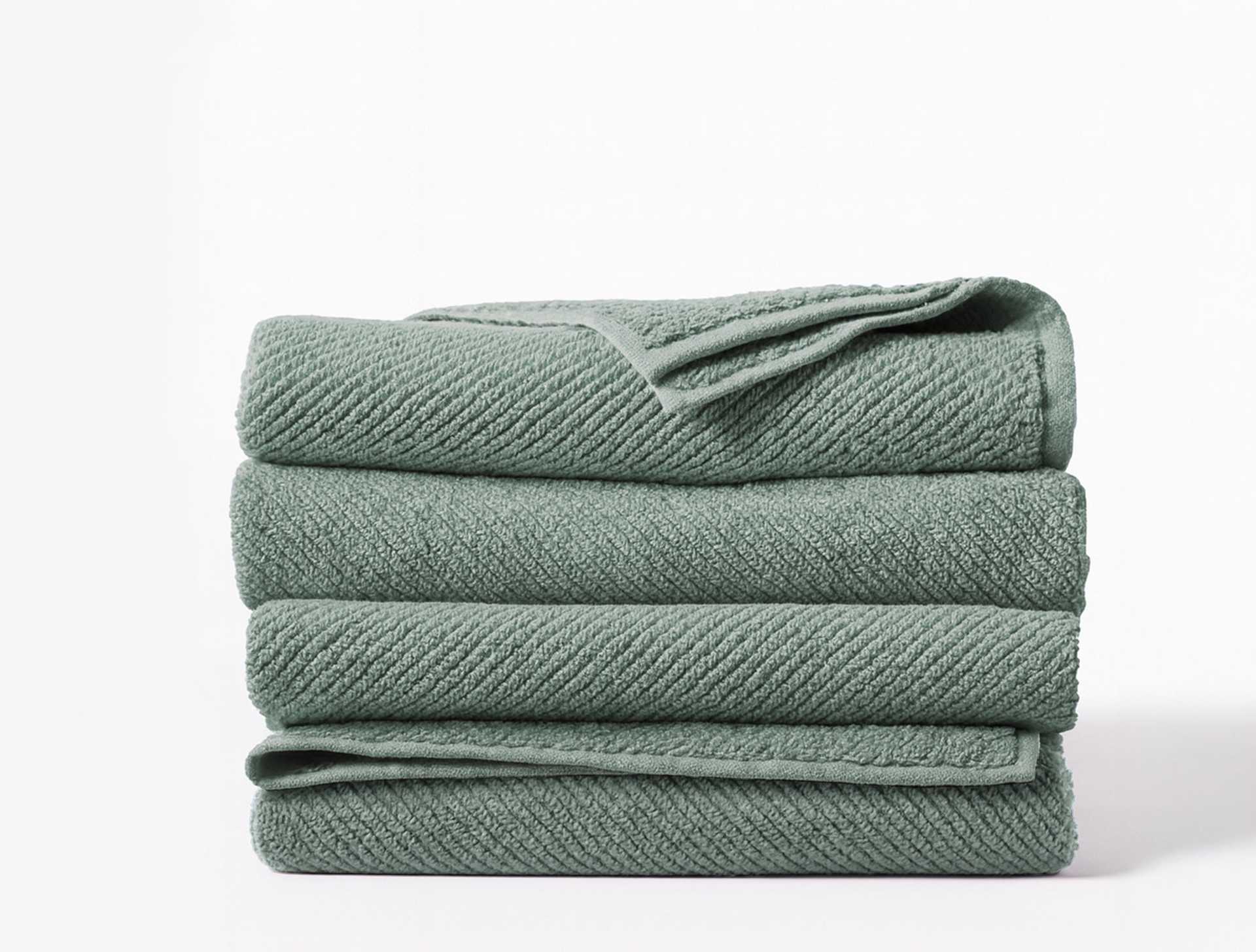
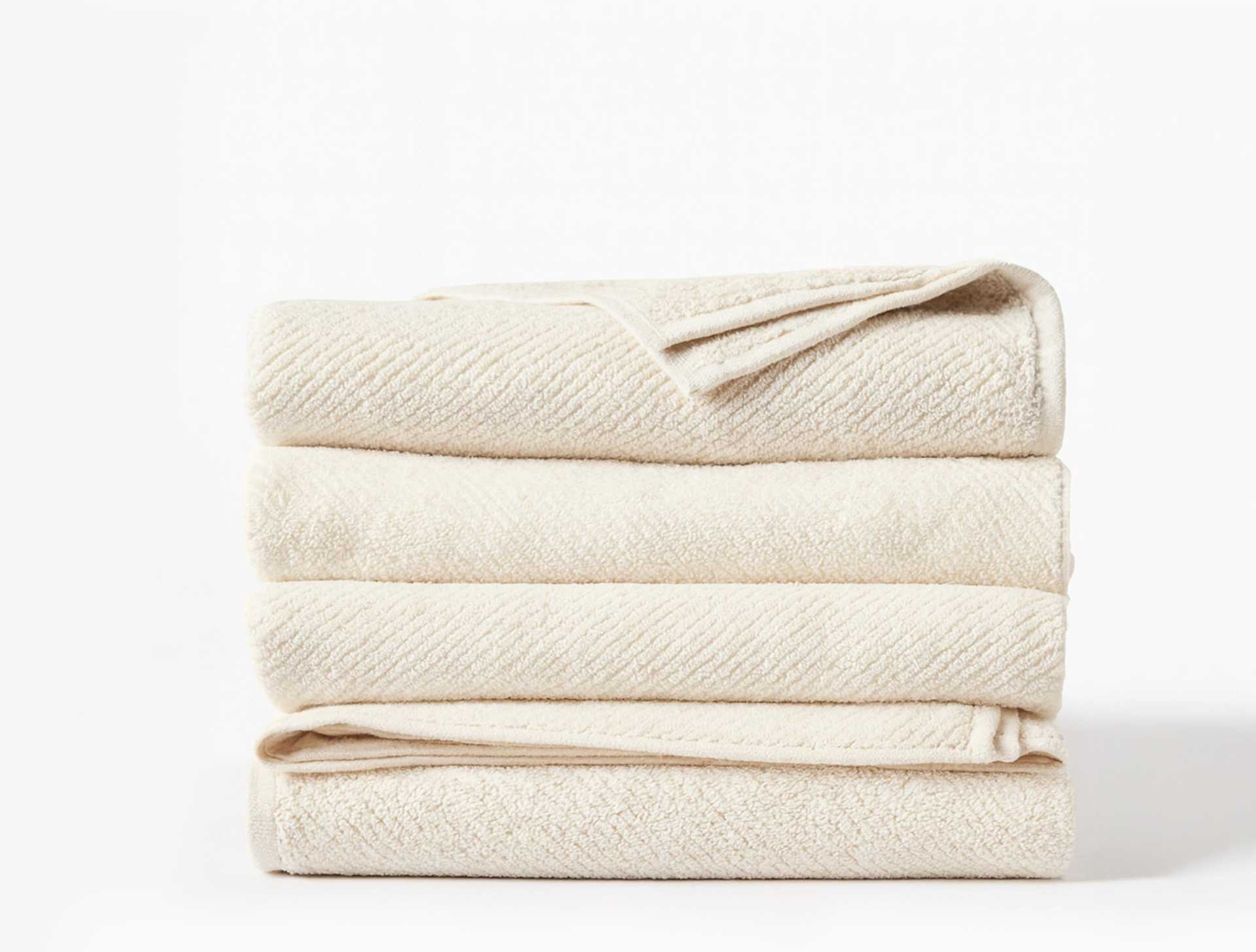
Today, towel production has embraced modern technology, resulting in an array of materials and designs. Innovations in fabric technology have led to the creation of towels that are not only soft and absorbent but also quick-drying and eco-friendly. Organic cotton towels, such as the Air Weight® Organic Bath Towels, Set of 4, exemplify this modern approach. These towels are loom-woven from long loops of pure organic cotton, featuring a twill weave that enhances drying performance while maintaining a luxurious feel.
Air Weight® Organic Bath Towels, Set of 4
Air Weight Organic Bath Towels are loom-woven from long loops of pure organic cotton. A twill weave adds texture and helps towels dry quickly and efficiently. Durable and dense, they offer superior absorbency that stays strong with use.
- Pure organic cotton: Long loops deliver a soft, premium feel.
- Twill weave: Adds texture and enhances drying performance.
- Durable and dense: Built to withstand daily use.
- High absorbency: Efficient drying for everyday bathroom use.
Simple, practical towels that elevate daily routines with dependable comfort.
View Product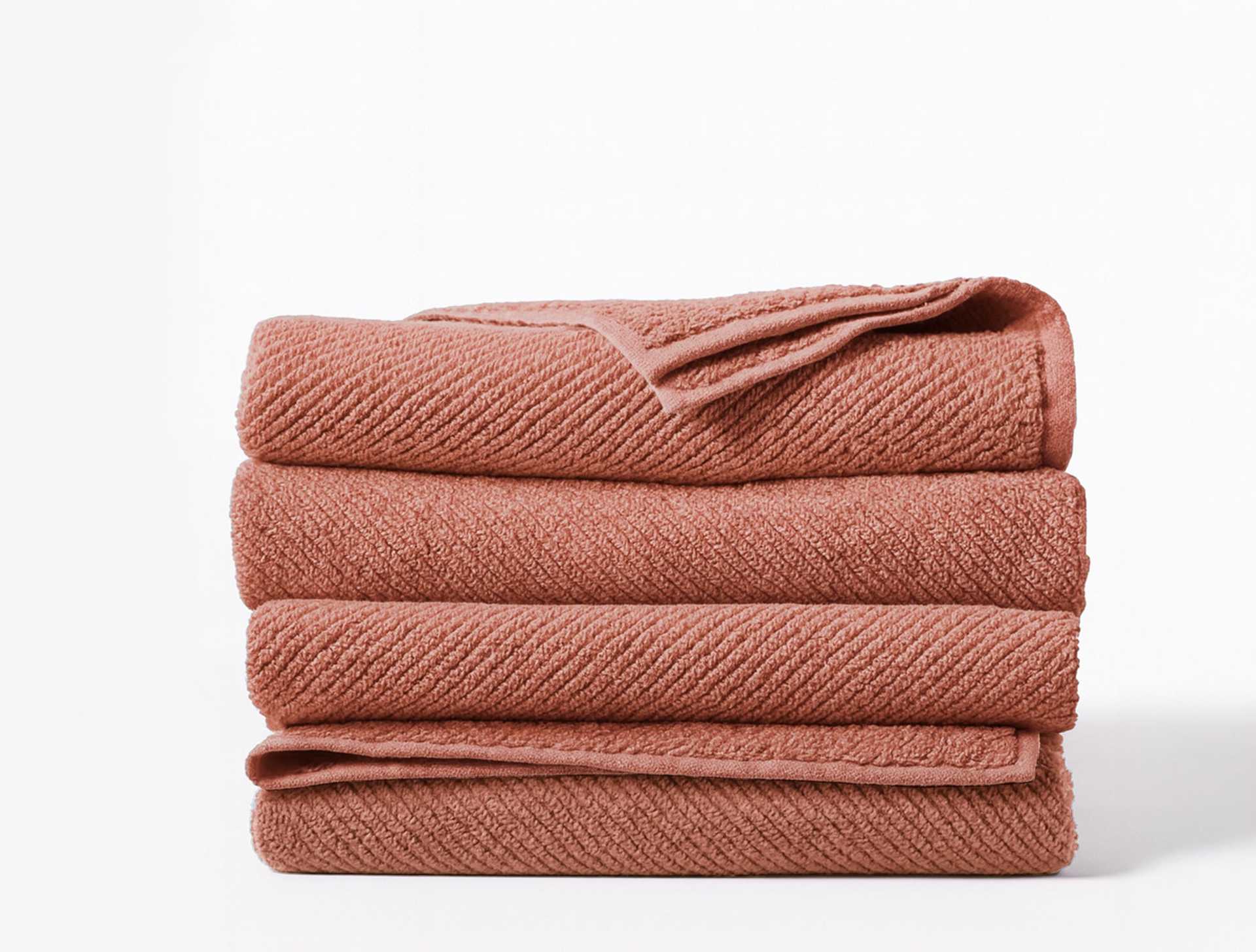
Sustainability and the Future of Towels
As consumers become increasingly aware of environmental issues, the demand for sustainable and eco-friendly products rises. Towels made from organic materials, such as the aforementioned Air Weight® Organic Bath Towels, reflect a growing market trend towards sustainability. This shift not only emphasizes the need for responsible production practices but also preserves the comfort and luxury that modern consumers expect from their textiles. The evolution of towels continues, with a focus on sustainable materials and ethical manufacturing processes.
Conclusion: A Textile with Timeless Relevance
From their origins in ancient civilizations to the modern innovations we enjoy today, towels have remained essential textiles that blend functionality with luxury. By understanding the history and evolution of towels, we appreciate the craftsmanship and technology behind these everyday items. As we move forward, the commitment to sustainability and quality will shape the future of towels, ensuring that they continue to play a significant role in our lives.
This journey through the history of towels reminds us of their enduring significance and the intricate tapestry of culture, innovation, and sustainability that they represent.